There is a specific kind of magic that happens when a kitchen fills with the scent of simmering cinnamon, cloves, and rich beef. Makaronia Me Kima is not just “Greek spaghetti bolognese”; it is a distinct, soul-warming masterpiece that defines the Mediterranean comfort food experience.
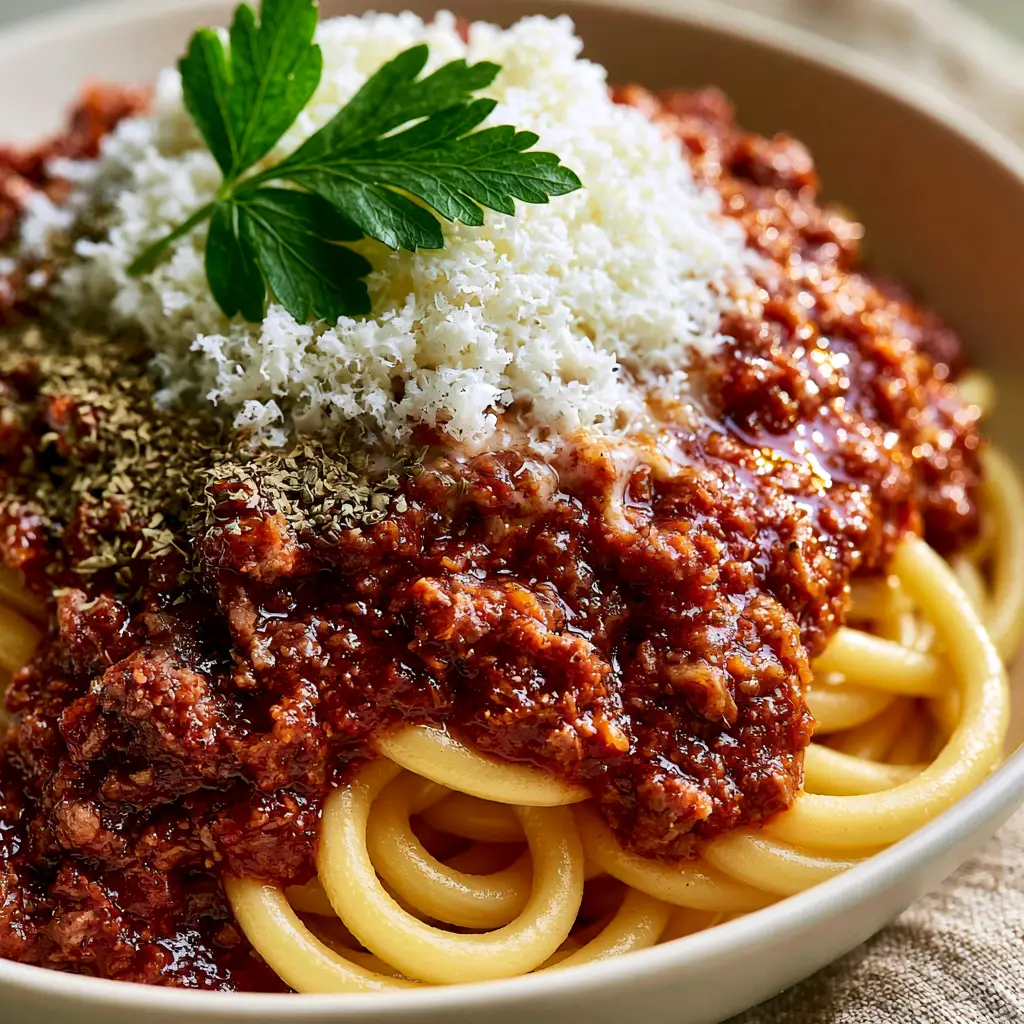
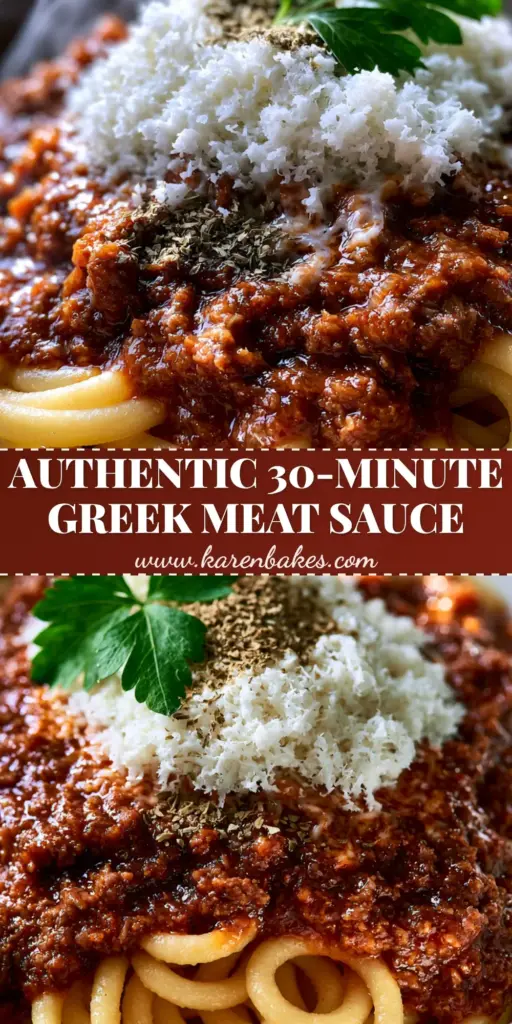
Imagine a steaming bowl where thick, tubular bucatini strands act as a straw for a deep-red, glossy meat sauce. This sauce isn’t watery or thin; it is a chunky, aromatic reduction that clings to every curve of the pasta. The final crowning glory is a fluffy, snow-white mound of Mizithra cheese that begins to melt the moment it hits the heat.
In this guide, we are diving deep into the forensic details of crafting the perfect Makaronia Me Kima. We will explore the science of the “glossy” finish, the importance of specific aromatics, and how to achieve that iconic visual of fluffy cheese against a rich, dark sauce.
Why This Authentic Greek Meat Sauce Will Change Your Dinner Game
- Unrivaled Texture: The use of bucatini provides a hollow center that traps the spiced beef sauce, ensuring every bite is explosive with flavor.
- Aromatic Depth: Unlike Italian sauces, Makaronia Me Kima leans into the warm, earthy notes of cinnamon and allspice, creating a complex flavor profile that is both savory and slightly sweet.
- The Mizithra Factor: The salty, pungent, and finely grated white Mizithra cheese provides a sharp contrast to the rich beef, offering a “snow-like” visual and a creamy mouthfeel.
- Glossy Visual Appeal: Through proper fat emulsification and tomato paste caramelization, we achieve a high-shine, deep-red sauce that looks like it came from a professional rustic kitchen.
The Essential Pantry Staples for Authentic Greek Kima Sauce
To achieve the visual and textural results described in our blueprint, every ingredient must serve a specific culinary purpose. We aren’t just making a sauce; we are building layers of flavor.
Thick-Cut Bucatini Pasta: 1 lb (500g). This thick, hollow spaghetti is the traditional vessel for Kima, providing a sturdy base that stands up to the heavy, chunky meat sauce.
Lean Ground Beef (80/20 Blend): 1.5 lbs (680g). The fat content is crucial for achieving that “glossy” look in the final photo; it carries the fat-soluble flavors of the spices and prevents the meat from drying out.
Extra Virgin Olive Oil: 3 tbsp (45ml). This is the foundational fat used to sauté aromatics and “fry” the tomato paste, which is the secret to a deep, dark red color.
Finely Minced Aromatics: 1 large yellow onion and 4 cloves of garlic. These should be minced so finely they almost disappear into the sauce, providing texture without large, unappealing chunks.
Tomato Paste & Crushed Tomatoes: 2 tbsp (30g) paste and 14 oz (400g) crushed tomatoes. The paste adds the concentrated color and “body,” while the crushed tomatoes provide the moisture for simmering.
The Spice Trinity: 1 cinnamon stick, 1/2 tsp (2.5g) ground allspice, and 1/2 tsp (2.5g) dried oregano. These spices are the “fingerprint” of this dish, offering the warmth and herbal finish seen in the garnish.
Dry Red Wine: 1/2 cup (120ml). Used to deglaze the pan, the acidity in the wine cuts through the richness of the beef and helps create a sophisticated, multi-dimensional sauce.
White Mizithra Cheese: 1 cup (100g), finely grated. This aged sheep’s milk cheese is bone-white and provides the “fluffy mound” effect that is visually synonymous with Makaronia Me Kima.
Fresh Flat-Leaf Parsley: 1 small bunch. A single vibrant sprig on top provides the color contrast needed to make the deep reds and whites of the dish pop.
Must-Have Kitchen Tools for Culinary Success
Achieving a professional-grade Makaronia Me Kima requires the right heat distribution and grating technique. A heavy-bottomed Dutch oven is your best friend here, as it maintains the steady, low heat required to break down the beef fibers without burning the sugars in the tomato.
You will also need a Microplane or a very fine box grater. To get that “snow-white, fluffy” texture of the Mizithra, the cheese must be grated into feather-light wisps rather than thick shreds. Finally, use a large pasta pot to ensure the bucatini has enough room to move, preventing the strands from sticking together and ensuring a perfect al dente finish.
Mastering the Art of Thick, Glossy Greek Meat Sauce
Phase 1: Searing the Beef and Building the Base
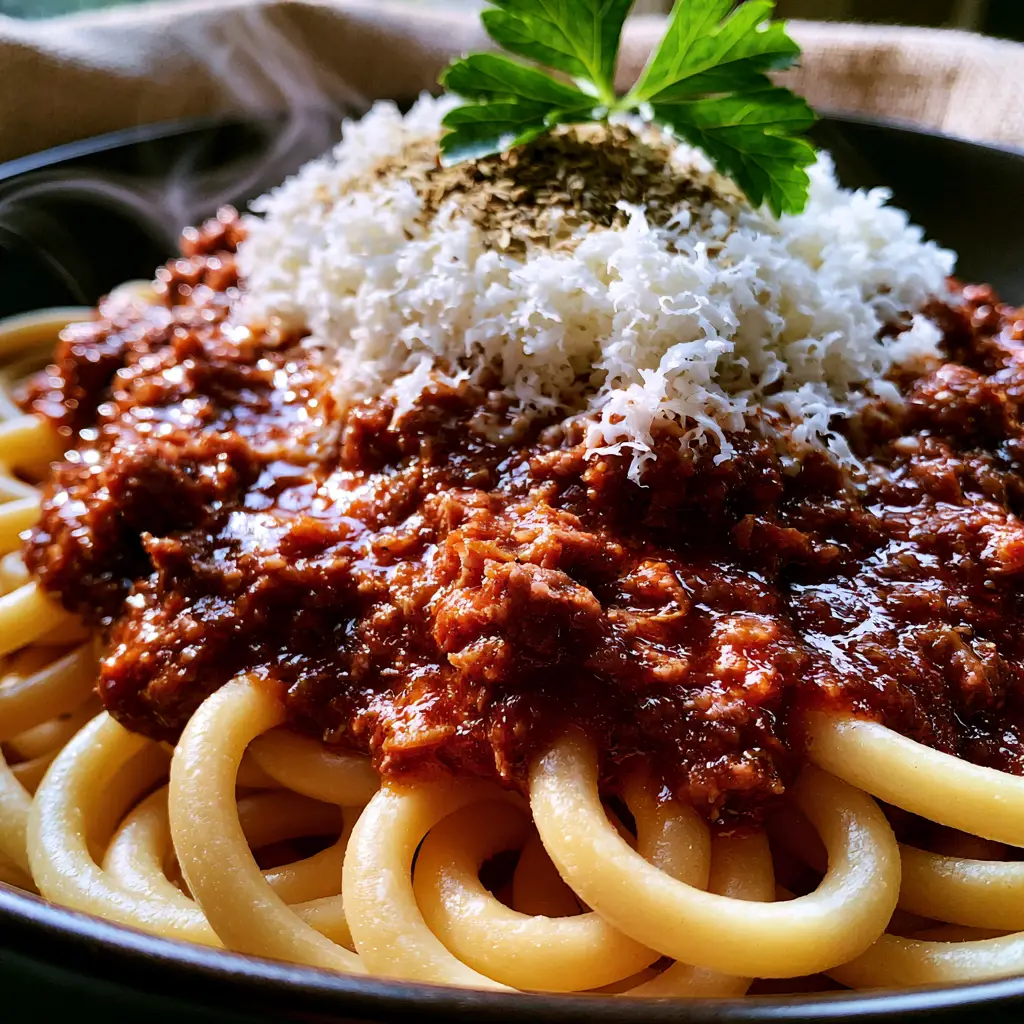
Start by heating your olive oil over medium-high heat. Add the ground beef, but do not stir immediately; let the meat sit for 2-3 minutes to develop a deep golden-brown crust. This Maillard reaction is essential for the “chunky” texture and savory depth seen in the macro shots of the sauce.
Once browned, use a wooden spoon to break the beef into small, uniform crumbles. Add your finely minced onions and garlic. Sauté until the onions are translucent and have absorbed the rendered beef fat, creating a glossy sheen in the bottom of the pot.
Phase 2: The Secret of the “Triple Red” Sauce
Clear a small space in the center of your pot and add the tomato paste. Let it “fry” in the oil for 60 seconds until it turns a shade darker—this is how you get that deep-red, professional finish. Deglaze the pan with the red wine, scraping up all the brown bits (the fond) from the bottom.
Pour in the crushed tomatoes and add the cinnamon stick, allspice, and a pinch of salt. Reduce the heat to low and cover. Let the Kima simmer for at least 45 minutes. You are looking for the liquid to reduce until the sauce is thick and “tight,” meaning it won’t run across the plate when served.
Phase 3: Achieving the Perfect Bucatini Twirl
While the sauce finishes, boil your bucatini in heavily salted water. Aim for “al dente”—the pasta should have a slight resistance when bitten. Before draining, reserve 1/2 cup (120ml) of starchy pasta water. This is a pro-tip: if your sauce becomes too thick, a splash of this water will help it emulsify and coat the pasta perfectly.
Expert Tips for the Most Visual and Flavorful Result
- The “Resting” Rule: Let your sauce rest for 10 minutes off the heat before serving. This allows the fats to settle and gives the sauce its signature glossy, photographic finish.
- Cheese Temperature: Grate your Mizithra while it is cold from the fridge, but serve it immediately over the hot pasta so it begins to “just melt” into the meat as seen in the visual prompt.
- Spice Extraction: Always use a whole cinnamon stick during the simmer, but remove it before serving. This provides a subtle, integrated warmth rather than an overpowering spice flavor.
- Pasta Finishing: Never rinse your pasta. The natural starches on the bucatini are what allow the thick meat sauce to “drape” over the strands rather than sliding off.
Smart Storage and Reheating Strategies
Makaronia Me Kima is one of those rare dishes that actually tastes better the next day. As the sauce sits in the fridge, the cinnamon and allspice further penetrate the beef, creating an even more cohesive flavor profile. Store the sauce and pasta separately in airtight containers for up to 4 days.
To reheat, add the sauce to a small skillet with a tablespoon of water or beef broth to loosen it up. Gently toss in the pasta until warmed through. Avoid the microwave if possible, as it can cause the olive oil in the sauce to break and become greasy rather than glossy.
What to Serve With This Mediterranean Masterpiece
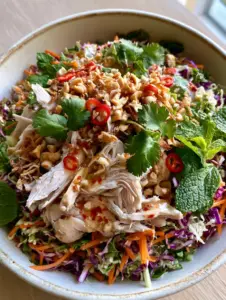
To balance the richness of the spiced beef and the salty Mizithra, you want sides that offer acidity and crunch. A vibrant vegan Greek pasta salad is a fantastic way to introduce fresh vegetables to the meal without adding heavy dairy.
If you are looking for a more contemporary pairing, our sun-dried tomato pasta salad offers a sweet-and-tangy profile that complements the warm spices of the Kima. For those who love a classic pairing, a crisp Romaine salad with a heavy dusting of herbs works wonders. You could even repurpose leftovers by serving them alongside a Caesar pasta salad for a fusion-style lunch.
Frequently Asked Questions About Greek Pasta
Mizithra is a unique, salty, aged sheep’s milk cheese. If you cannot find it, the best substitute is a 50/50 mix of Pecorino Romano and Ricotta Salata to mimic the saltiness and color.
Not at all. When simmered with beef, onions, and red wine, the cinnamon loses its ‘bakery’ association and instead adds a warm, earthy depth that enhances the savory qualities of the meat.
The secret is to properly brown the meat, ‘fry’ the tomato paste in olive oil to release its pigments, and allow the sauce to reduce until the liquid is fully incorporated with the fats.
While both are meat sauces, Kima is defined by Greek spices like cinnamon and allspice, uses olive oil as the primary fat, and is traditionally served with tubular bucatini and Mizithra cheese rather than Parmesan.
Bucatini is thicker and has a hole running through the center. This allows the spiced meat sauce to work its way inside the pasta, providing more flavor in every bite.
The Authentic Makaronia Me Kima Recipe Card
Makaronia Me Kima: The Ultimate Greek Bucatini with Spiced Meat Sauce
Ingredients
Equipment
Method
- Heat olive oil in a Dutch oven over medium-high. Add beef and sear until a deep golden-brown crust forms before breaking into small chunks.
- Add onions and garlic, sautéing until glossy. Stir in tomato paste for 60 seconds, then deglaze with red wine.
- Add crushed tomatoes, cinnamon, and allspice. Simmer on low for 45 minutes until the sauce is thick and deep-red.
- Boil bucatini in salted water until al dente. Drain, reserving some pasta water for emulsification.
- Twirl bucatini into a nest, drape with meat sauce, and top with a fluffy mound of Mizithra, dried oregano, and fresh parsley.
Notes
Ensure the Mizithra is grated on the finest setting to achieve the 'snow-white' fluffy look.
Bring the Flavors of Greece to Your Table
Makaronia Me Kima is a testament to how simple ingredients—beef, pasta, and a few warm spices—can be transformed into a world-class meal with the right technique. Whether you are twirling the thick bucatini strands or watching the Mizithra melt into the deep-red sauce, this dish is a sensory delight from start to finish.
We would love to see your culinary creations! If you make this recipe, please leave a comment below and share your photos with us. Don’t forget to follow us on Pinterest for more authentic Mediterranean inspiration and weeknight dinner wins!