Mastering Watermelon Facts is the secret to never bringing home a bland, mealy fruit again. We have all been there—standing in the grocery store aisle, thumping every melon in sight, hoping for a miracle. But what if you knew exactly what to look for on the rind to guarantee that ruby red, dense, grainy flesh every single time? This guide breaks down the science of selection, from sugar webbing to field spots, ensuring your summer refreshing treats are always peak quality.
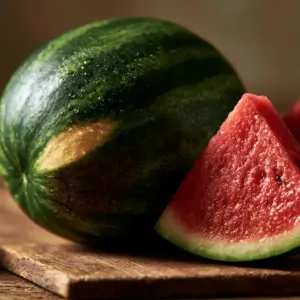
Understanding these Watermelon Facts transforms you from a casual shopper into a produce expert. When you see a whole dark green striped watermelon resting in a rustic wooden crate, you aren’t just looking at fruit; you are looking for specific biological markers of sweetness. Whether you are prepping a Peach Moscato Sangria or a fresh fruit platter, the quality of your melon is the foundation of your success.
Why This Watermelon Selection Strategy Works
- Visual Validation: You will learn to identify brown textured sugar webbing scars that indicate high sugar content.
- Texture Guarantee: Say goodbye to mushy fruit; we target that glistening, grainy texture that snaps when you bite it.
- Zero Waste: By using these Watermelon Facts, you ensure every ounce of the fruit is usable and delicious.
- Perfect Pairing: A sweet melon is the ideal base for no-bake summer desserts or refreshing salads.
Critical Components for the Perfect Watermelon Platter
While the melon is the star, a few professional culinary additions elevate the experience from a simple snack to a gourmet side dish. Here is what you need for the ultimate presentation:
1 Premium Whole Watermelon: Look for a matte rind texture rather than a shiny one. A shiny rind usually means the melon is underripe. The deep forest green stripes should be sharp and distinct.
Flaked Sea Salt: A tiny pinch of high-quality salt enhances the natural sugars in the ruby red flesh. It creates a flavor contrast that makes the sweetness pop.
Fresh Lime Juice: 1 tablespoon (15ml) of fresh lime juice adds acidity to balance the dense sweetness. It also keeps the glistening water droplets on the surface looking fresh.
Fresh Mint Leaves: About 1/4 cup (10g) of torn mint adds a cooling aromatic element that pairs beautifully with the fruit’s profile.
Step-by-Step Guide to Picking and Prepping
1. Identify the Buttery-Yellow Field Spot
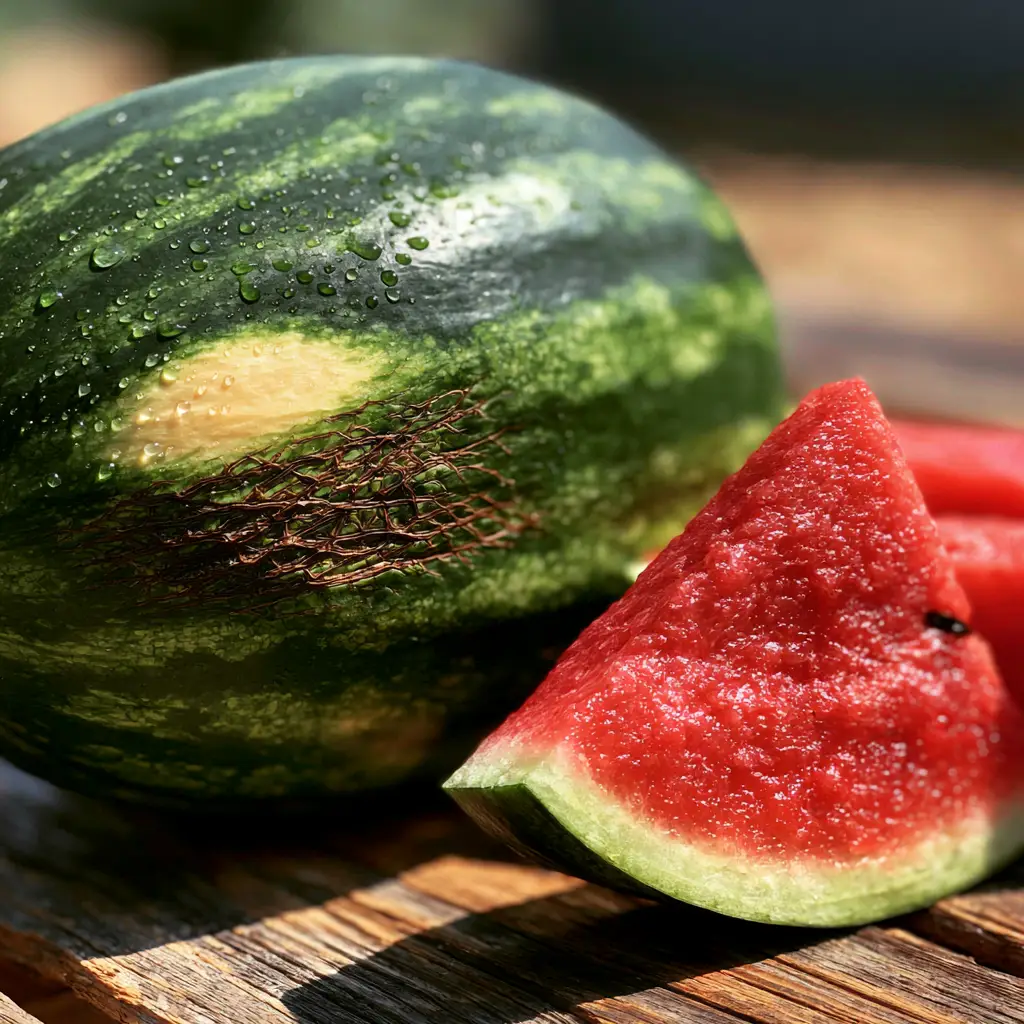
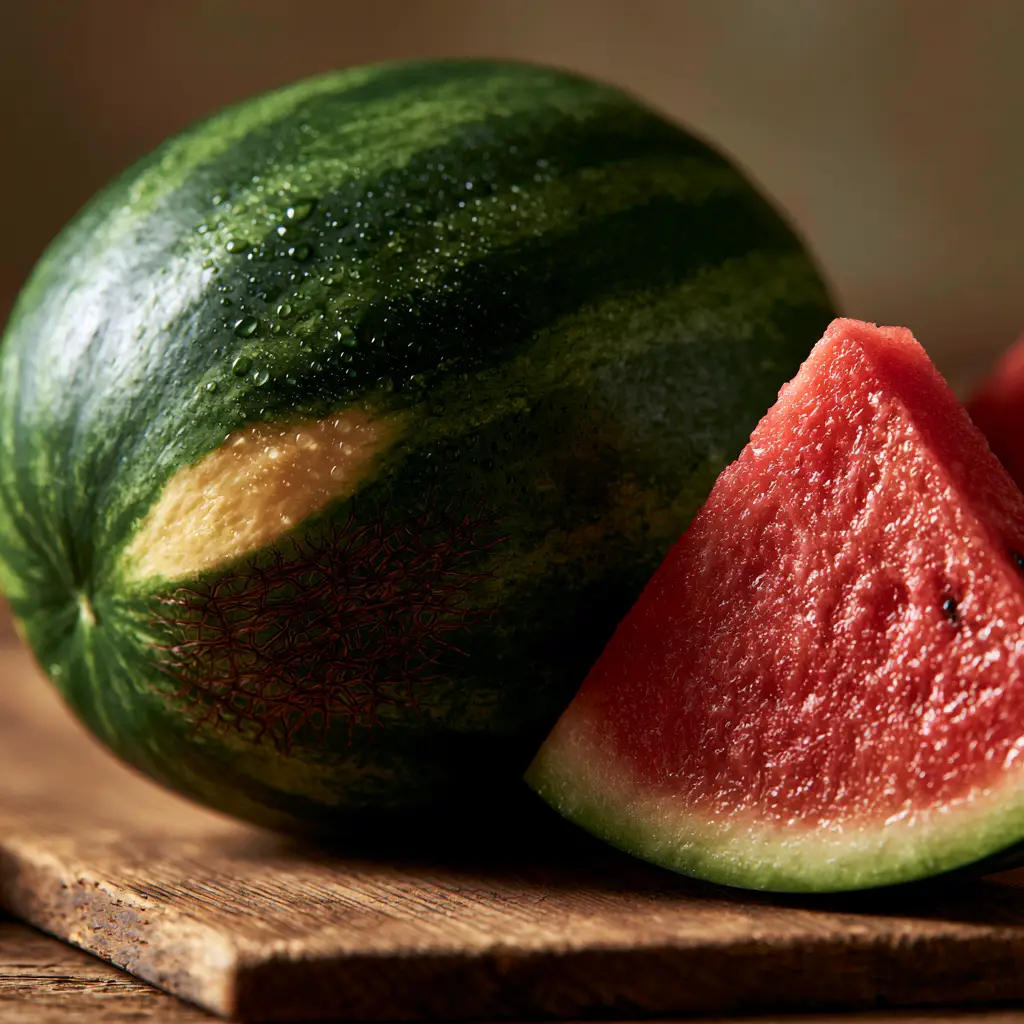
The first of our Watermelon Facts involves the underside of the fruit. Turn the melon over to find the large creamy yellow field spot. This is where the melon rested on the ground while ripening in the sun. If the spot is white or pale green, it was picked too early. A deep, buttery-yellow color is a non-negotiable sign of a sweet interior.
2. Scout for Sugar Webbing Scars
Look for intricate, dark brown, textured sugar webbing that looks like spiderwebs across the matte forest green rind. These aren’t defects! These scars are caused by bees touching the pollinating parts of the flower many times. The more pollination, the sweeter the fruit. Professional chefs always seek out the ugliest “webbing” for the best flavor.
3. The Matte Rind and Weight Test
Pick up the melon. It should feel much heavier than it looks. A heavy watermelon is full of water, meaning it is juicy and hasn’t dried out. Ensure the rind has a matte texture; if it is reflective, the chlorophyll hasn’t fully broken down into sugars yet. This is a crucial Watermelon Facts tip for ripeness.
4. Slicing for Visual Impact
Once you bring your treasure home, wash the rind thoroughly to remove any soil. Slice the melon into perfectly triangular wedges. You want to see that vibrant ruby-red, dense, grainy flesh with no visible white pith. A few small black seeds are a sign of a traditional, heirloom-quality melon which often has superior flavor to seedless varieties.
5. The Finishing Touches
Arrange the wedges on a chilled platter or in a rustic wooden crate for a farm-to-table aesthetic. Squeeze the lime juice over the ruby red flesh and sprinkle with the flaked sea salt. This preparation is a fantastic side for a Cucumber Caprese Salad during a summer barbecue.
Expert Tips for Watermelon Success
- The Thump Test: Give the melon a firm tap. You want a deep, hollow “thunk” sound. A dull, flat sound often indicates the fruit is overripe and mealy.
- Avoid the Stem: If the stem is still attached, it should be dried and brown. A green stem means it was harvested too soon and won’t be as sweet.
- Uniform Shape: Look for a melon that is symmetrical. Irregular bumps can sometimes mean the melon received inconsistent watering during growth.
- Chill Before Slicing: For the best grainy texture, refrigerate the whole melon for at least 4 hours before cutting. Cold temperatures tighten the cell structure of the flesh.
Storage and Freshness Guidelines
Whole Watermelon: A whole, uncut melon can sit on your counter for about 7-10 days, though it is best kept in a cool, dark place. Once it reaches peak ripeness, move it to the fridge to stop the ripening process.
Sliced Wedges: Store sliced ruby red wedges in an airtight container for up to 3 days. If they start to lose their glistening appearance, they are beginning to dehydrate.
Freezing: You can freeze cubes of watermelon to use in smoothies or as “ice cubes” for a Strawberry Shortcake Cups dessert drink, but the texture will change significantly once thawed.
What to Serve With Fresh Watermelon
Watermelon is incredibly versatile. It provides a sweet counterpoint to salty or spicy dishes. It is a classic pairing with grilled meats, especially a spicy chicken dish. If you are hosting a summer party, consider serving these wedges alongside a Chicken Pasta Salad for a complete, crowd-pleasing meal.
Watermelon Facts & Selection FAQs
Small black seeds are a sign of a mature, often heirloom-variety watermelon. While seedless varieties are popular, many ‘Watermelon Facts’ enthusiasts prefer seeded melons for their superior, traditional flavor.
A mealy watermelon often sounds dull or ‘thuddy’ when tapped. A ripe, crisp melon will have a hollow, ringing sound. Additionally, avoid melons that feel light for their size.
Actually, no. A matte rind indicates the watermelon is ripe. A shiny rind usually means the fruit is underripe and the chlorophyll has not yet converted to sugar.
Sugar webbing refers to the brown, spiderweb-like scars on the rind. These are caused by bees touching the pollinating parts of the flower frequently, which results in a higher sugar content in the fruit.
The creamy yellow spot, known as a field spot, is where the watermelon sat on the ground. A deep yellow color indicates the melon ripened fully in the sun before being harvested.
The Ultimate Summer Watermelon Platter
Watermelon Facts: The Ultimate Guide to Picking a Perfect Ruby Red Melon
Ingredients
Equipment
Method
- Locate the large creamy buttery-yellow field spot on the side of the melon to ensure sun-ripened sweetness.
- Look for dark brown textured sugar webbing scars which indicate high pollination and sugar levels.
- Cut the watermelon into triangular wedges, ensuring the ruby-red grainy flesh is visible and the rind is removed from the serving path.
- Arrange on a platter, drizzle with lime juice, sprinkle with sea salt and fresh mint.
Notes
The melon should feel heavy for its size, indicating high water content.
Save These Watermelon Facts for Later!
Did these Watermelon Facts help you find the perfect fruit? If you found that creamy yellow field spot or those sugar webbing scars, let us know! Save this post to your Summer Recipes board on Pinterest so you never forget how to pick the best melon. Follow katie_bites for more seasonal produce tips and tricks! Share a photo of your ruby red wedges in the comments and give us a 5-star rating if your melon was a winner!